Curriculum
Future Students
Students at Preston High School study a range of courses from Year 7-12. Each year students engage in rigorous learning programs that have been designed to developmentally progress and deepen their knowledge and understanding. Our collaboratively designed courses equip students with the skills and knowledge they need to be the leaders of tomorrow.
English
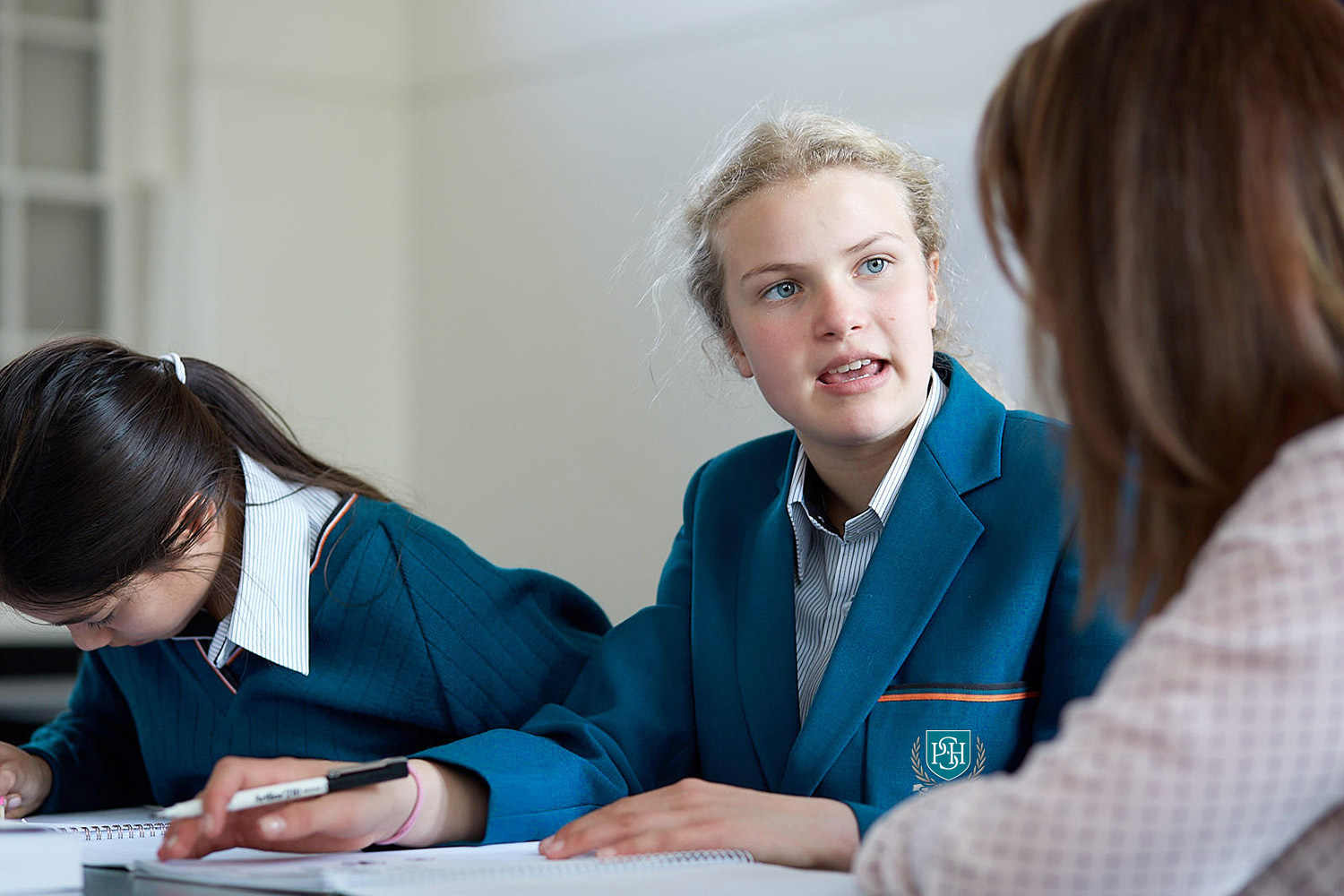
Students read, hear and craft various texts. Students use texts as vehicles to discuss and argue societal perspectives and values. They examine how authors use textual features and devices to convey meaning to audiences. Preston High School strives to engage with knowledge and skills in new and exciting ways. For example, in Year 8, students refine their imaginative writing to form an anthology. In Year 10, students deliver a Pecha Kucha Oral Presentation which promotes a visual story telling format. English at Preston High school is about using texts for dialogue and conversation, which in turn builds a more informed and empathetic community.
Maths
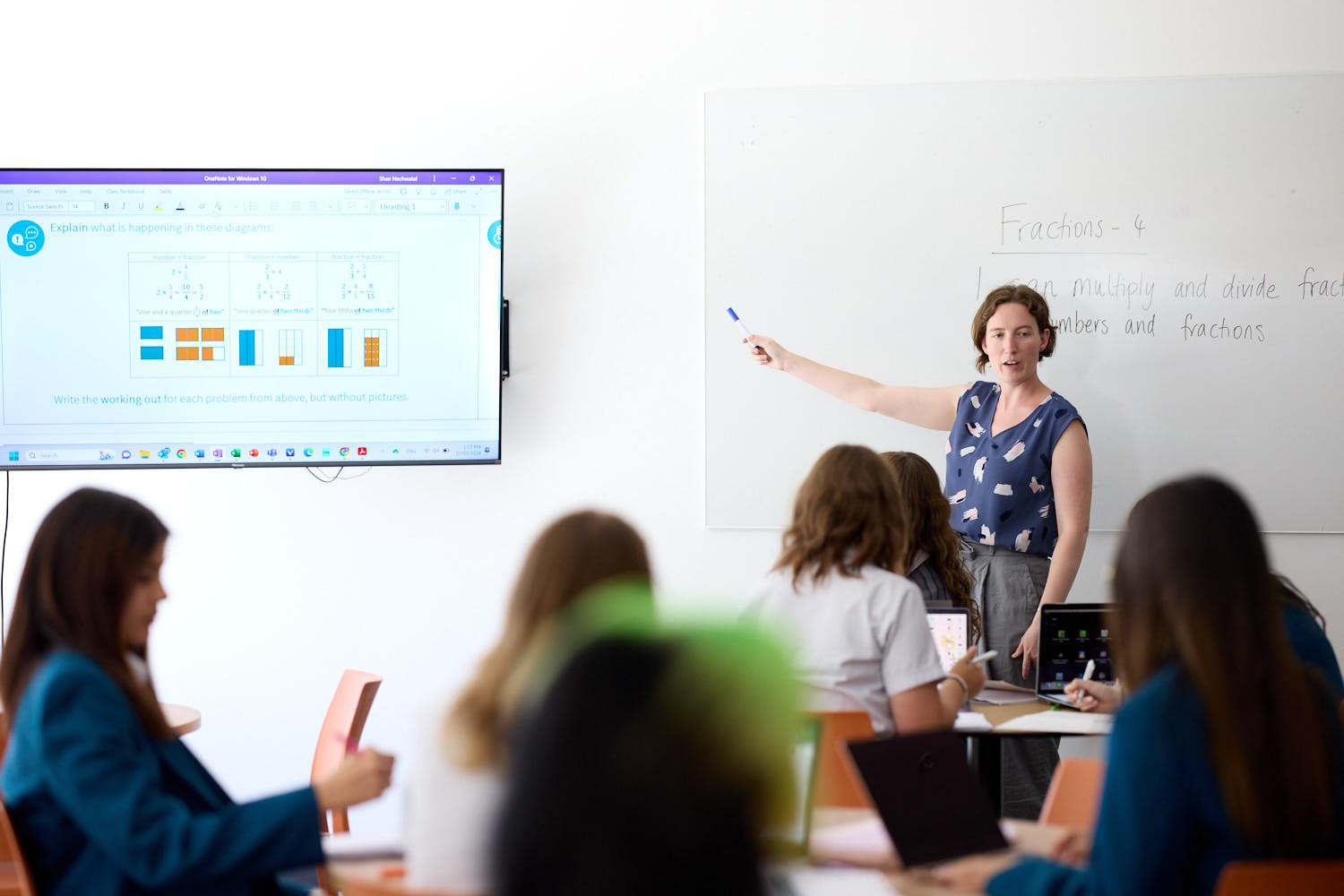
Students model and analyse a variety of contexts using numbers, statistics, equations and graphs. They develop indispensable reasoning and deduction skills, explore intriguing patterns, and build a strong toolkit of techniques and dispositions to solve the problems of the world.
At Preston High School, students are empowered to work on maths skills that are at their own next step of understanding; this is unique to each student. Every student is engaged and challenged, regardless of their starting knowledge and understanding. Students also collaboratively solve real problems in context, such as using fractions to measure food for cats, probability to determine if a game is rigged, or quadratic equations to predict if a ball will pass through the goals.
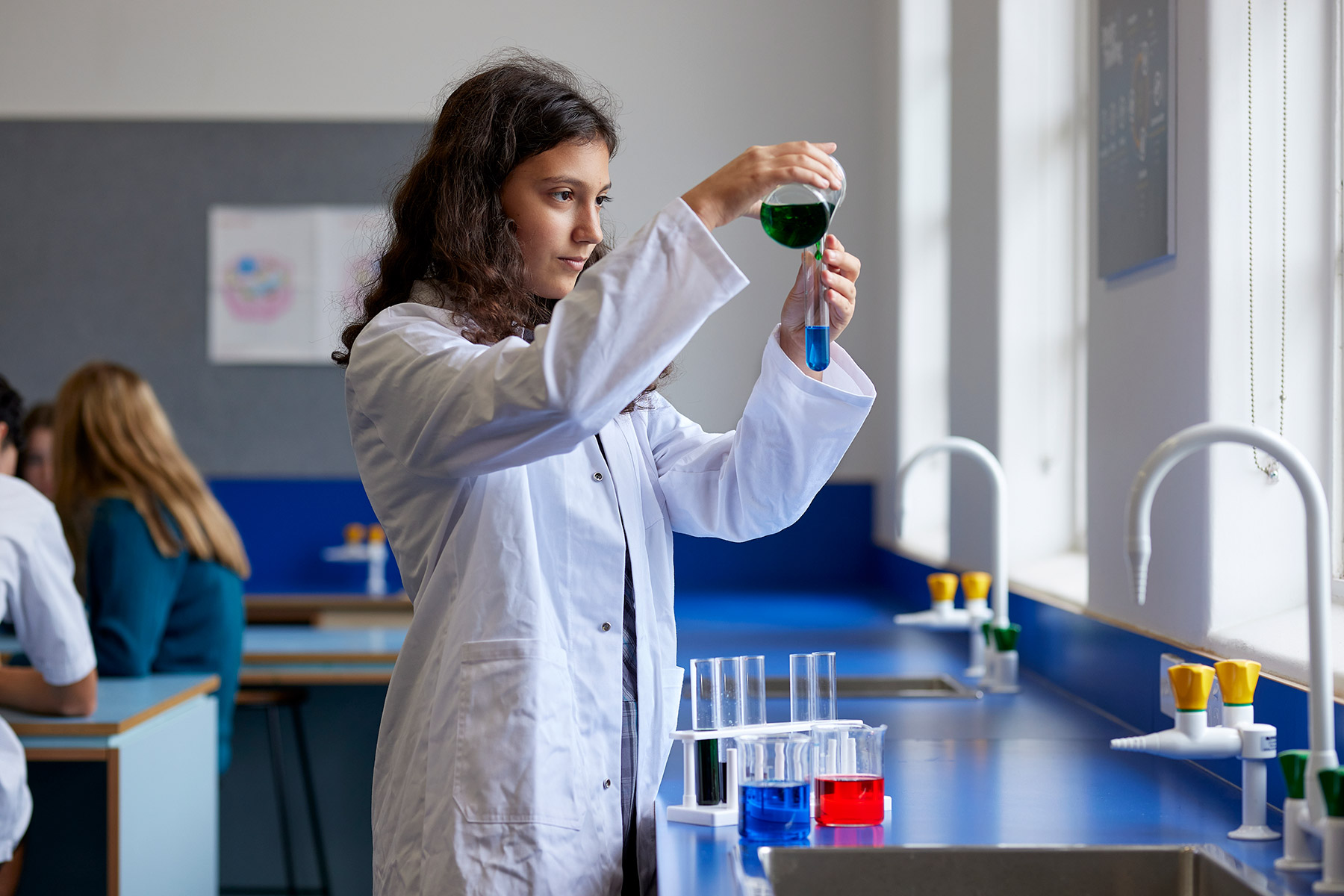
Science
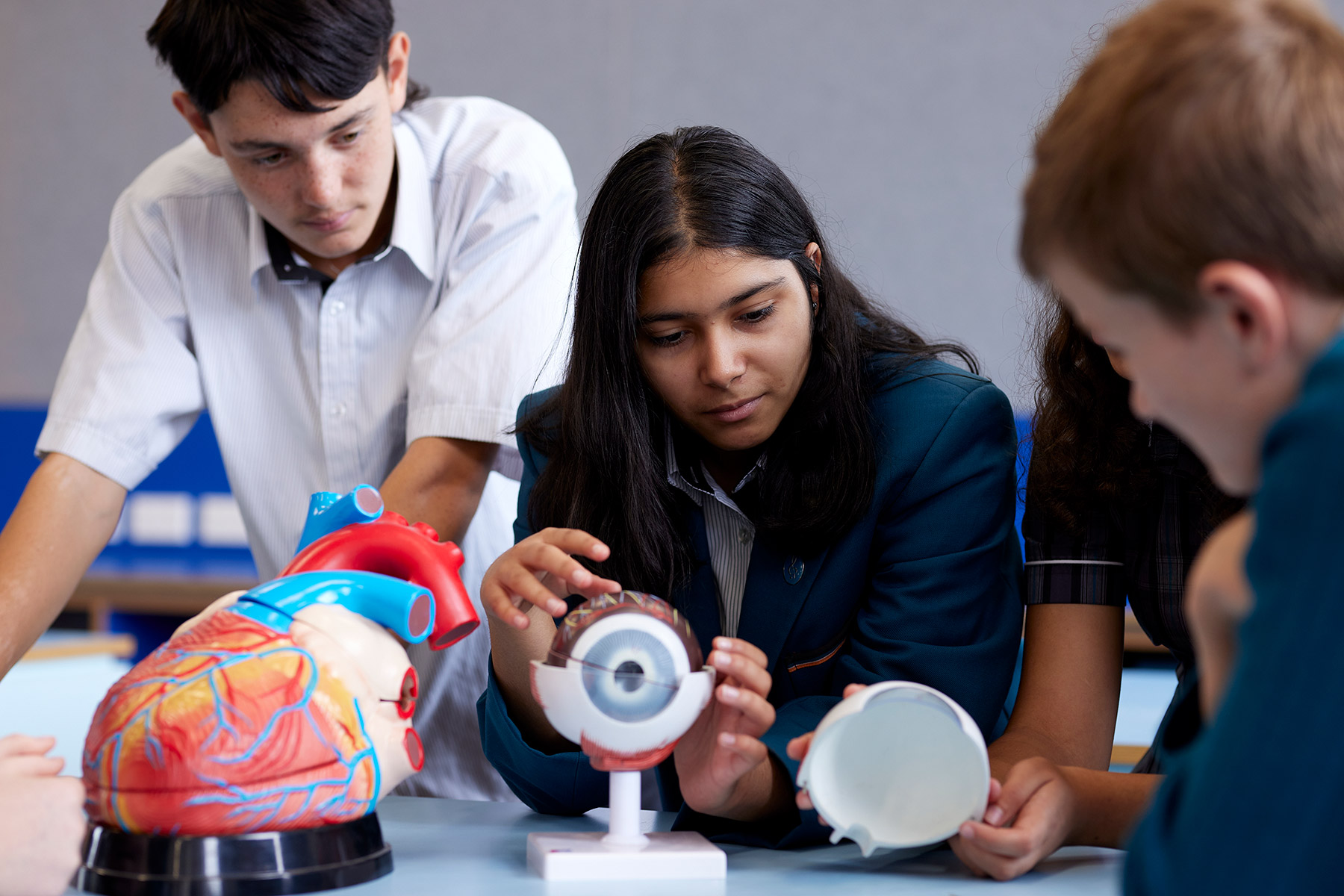
Students build their knowledge about key scientific concepts and processes through exploration and experimentation to exercise their critical thinking. At Preston High School, we equip students with scientific inquiry skills that allow them to engage with ideas in real-life contexts with a critical lens. For example, in Year 7, we teach students the elements of a fair test and as they continue through to Year 10, they plan and conduct fair tests that answer their own inquiry questions. This toolkit is what we continue building upon across all disciplines of STEM so that students become scientifically literate members of their community who can evaluate the information they encounter in the real world.
Humanities
Students explore a broad range of subjects including History, Geography, Philosophy, Economics, Business, Civics and Citizenship and Politics. Our units in Humanities are centred around big questions such as:
- What makes a great leader?
- What is power?
- Whose voices are heard in history?
- How can resources be managed sustainably and equitably?
- How do the decisions I make influence society?
- How are our views shaped by the media?
In Humanities, students make connections between content and skills they learn to real world situations and engage with contemporary issues that relate to them. Throughout a year of study, students complete philosophical inquiries, engage in fieldwork and learn important analysis and communication skills. At Preston, Humanities equips students with the 21st century skills to be engaged members of their communities.
Art
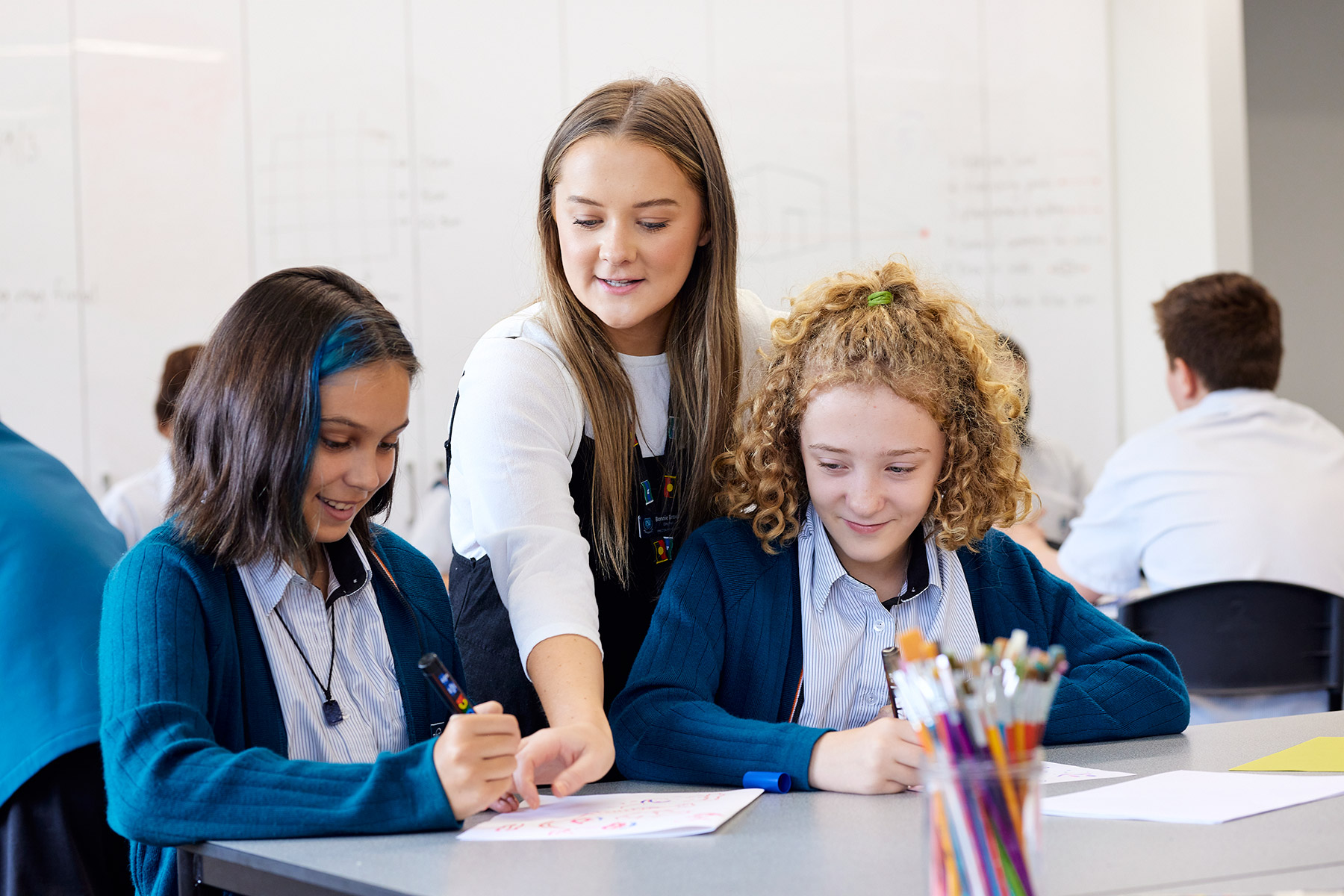
Through the study of Art at Preston High School, students develop a deeper understanding of themselves and the world around them. Students are supported and extended to ensure each student’s artistic skills and abilities are honed to allow them to leverage their creativity to make a positive impact on the world. Through individual and collaborative practices, the Art curriculum at Preston High serves as a catalyst for personal growth by encouraging students to embrace their unique voices and styles to create a more compassionate and interconnected global community.
Languages
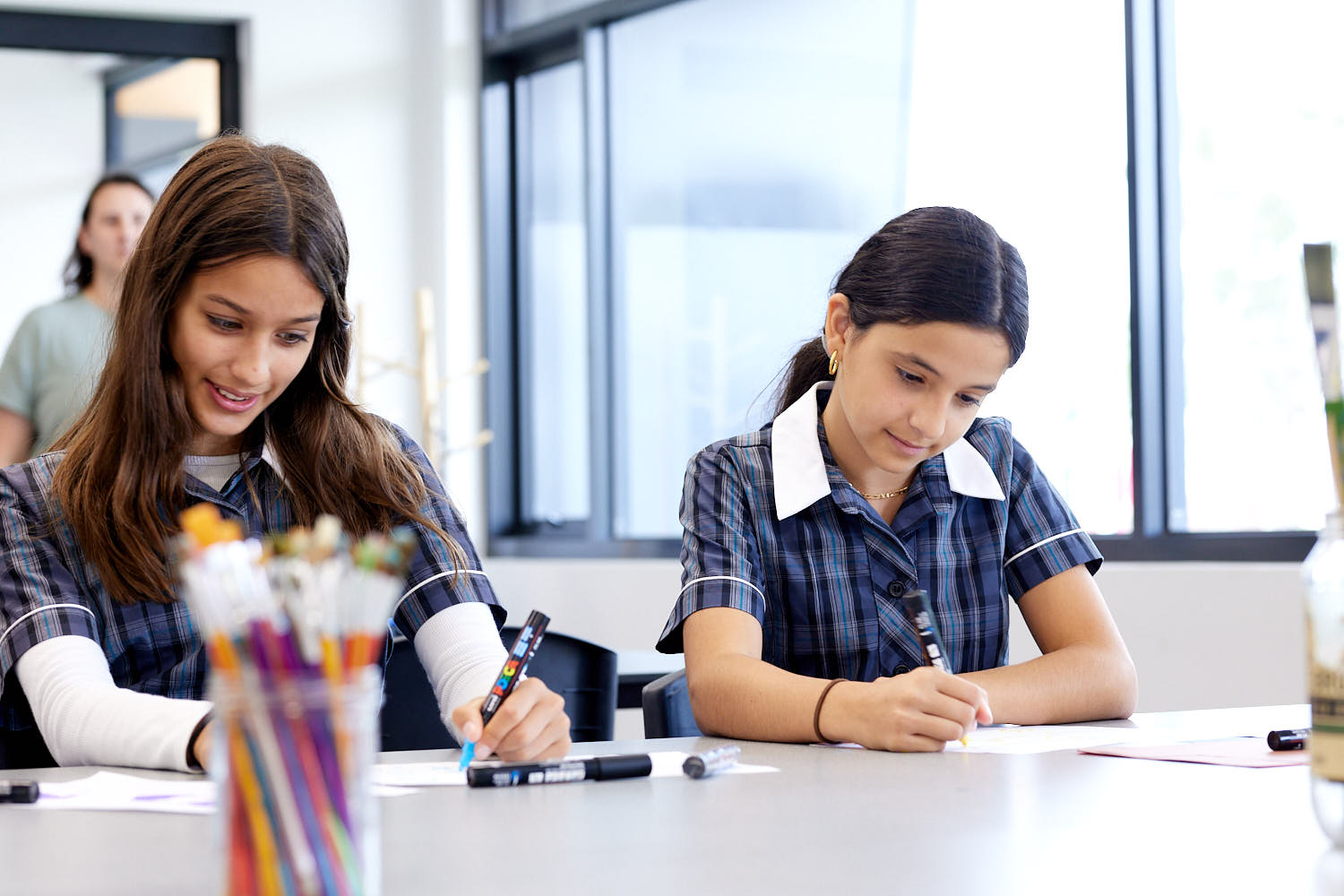
Chinese and French are taught from year 7-12. Languages at PHS offers an enriching and diverse range of opportunities for students to explore and expand their linguistic horizons. Through our programs, students learn to communicate authentically, gaining valuable skills in listening, speaking, reading, and writing. Beyond language proficiency, our students also develop a deep appreciation for different cultures, fostering a global perspective and understanding. Our students develop strong communication skills, cultural awareness, and are empowered to become global citizens, fostering valuable skills and a love for language.
Health
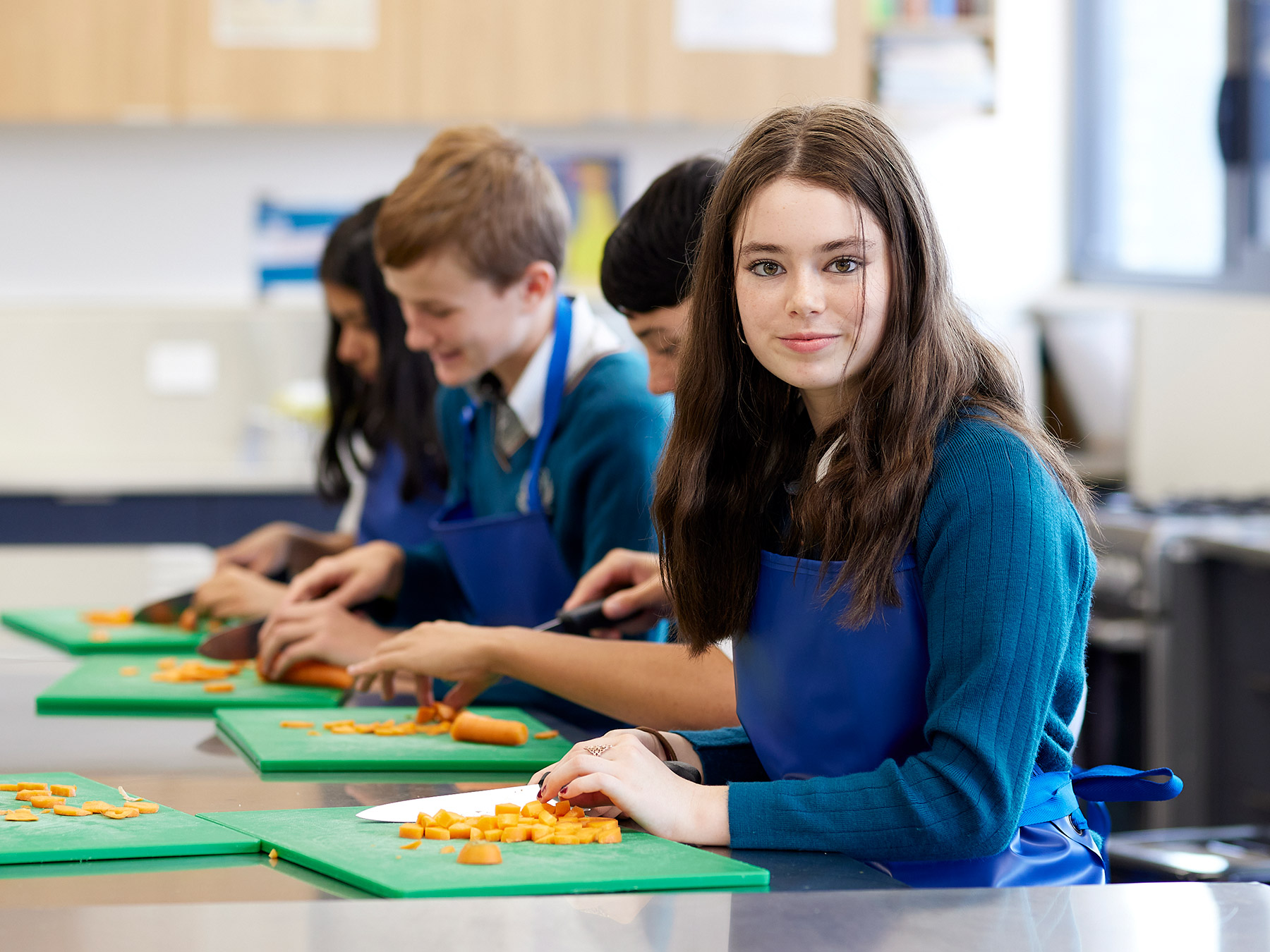
Students develop knowledge and skills to engage critically with a range of health focus areas and issues. In Year 7, students create a health campaign on a health topic. In Year 8, students create an action plan for change. In Year 9, students make connections between Australian and global health. Through authentic concepts from an individual, local, and global context, students are able develop critical thinking skills to make informed health decisions.
Physical Education
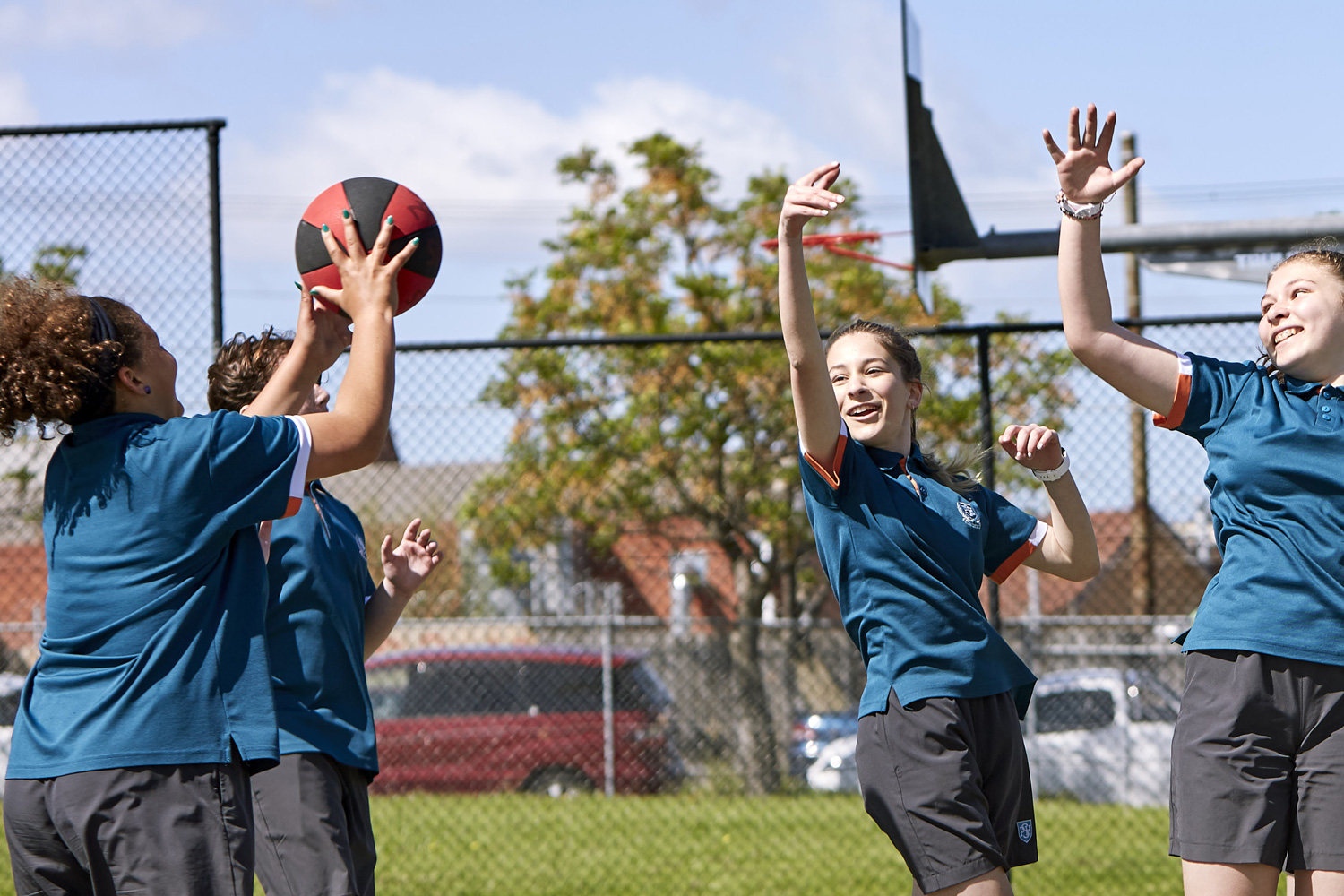
Students understand and acquire movement skills and strategies to enable them to confidently participate in a range of physical activities, outdoor recreation, and sport in Australian society and globally. As a foundation for lifelong physical activity, students learn through the body in action, building an understanding of why and how their body moves and works.
Music
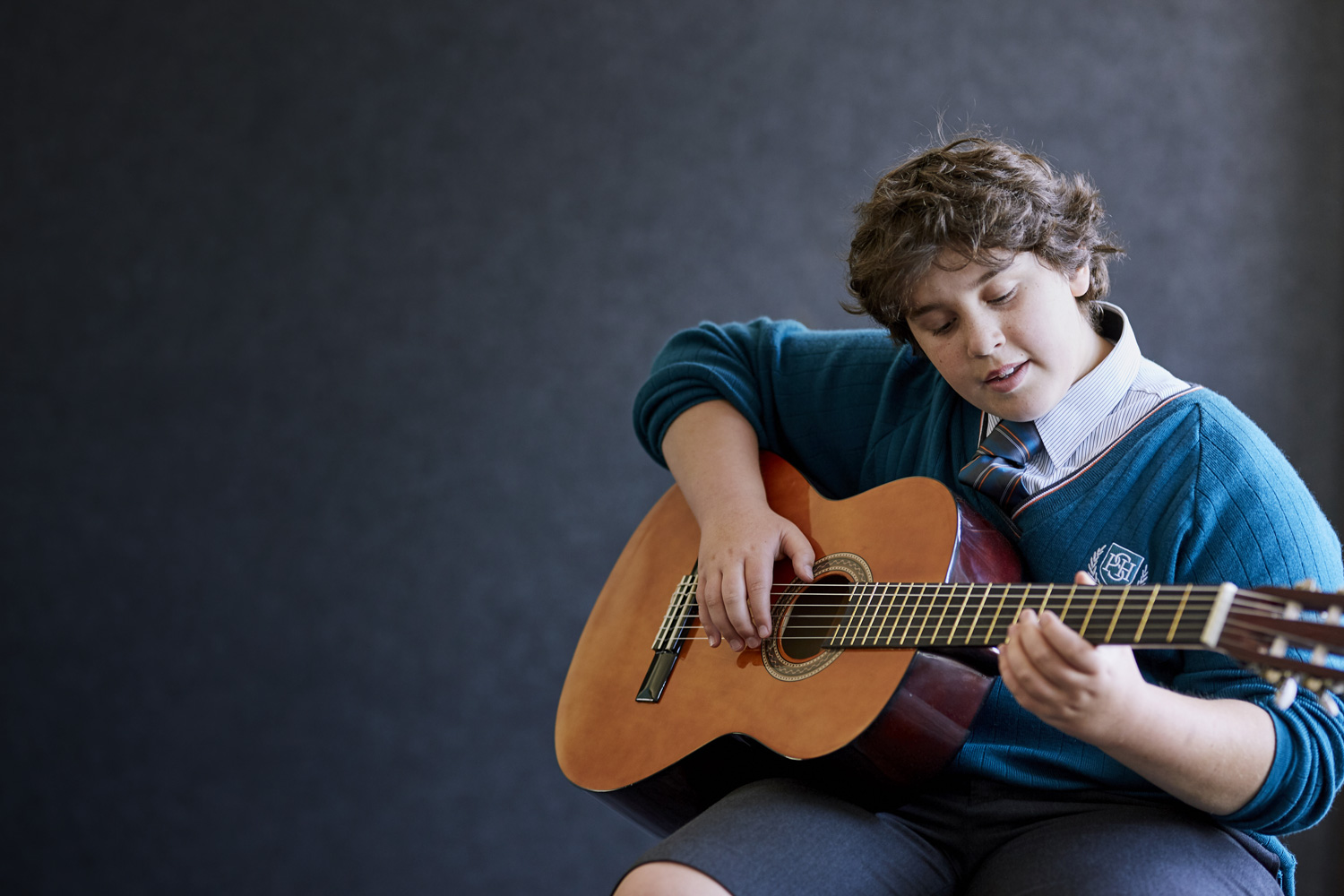
The music curriculum at Preston High School is a blend of performance, listening, and composition. It is designed to enable students to successfully engage in all areas of music during their time at school and beyond. Our emphasis on performance, with various ensemble opportunities, including choirs, bands, and orchestras, allows for students to develop their musicianship through collaboration with peers and expert teachers. Through listening analysis students develop a diverse musical vocabulary, learning how musicians manipulate the musical elements and compositional devices to create musical character, while gaining insights into their cultural and historical contexts. Students develop their own capacity for music creation through composition. The skills gained through this process provides students with the tools and technology to explore their musical ideas.
Drama
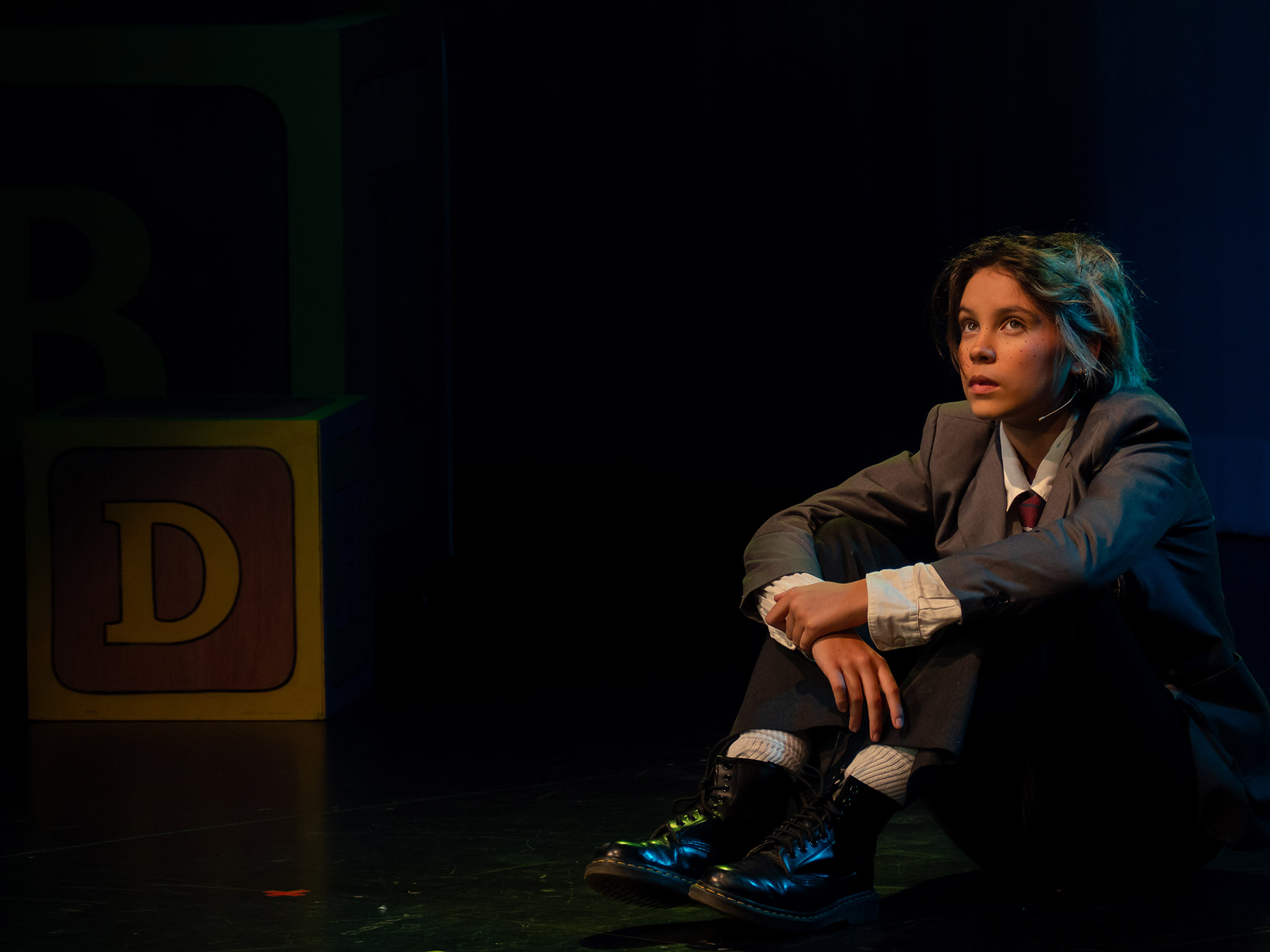
Drama and Theatre performance at Preston High School is an energetic and contemporary blend of theatre practices, drama skills and performance training. Students find success in performance through developing collaboration, empathy and creative skills and applying these to ensemble performance work. The scope of theatre studies starts with Melodrama, First Nations and Physical theatre in Year 8, and progresses through to non-naturalistic and multi-cultural performance styles in the senior years. Our Drama program extends out from the classroom with an annual Production, weekly drama club and additional elective classes.
Philosophy
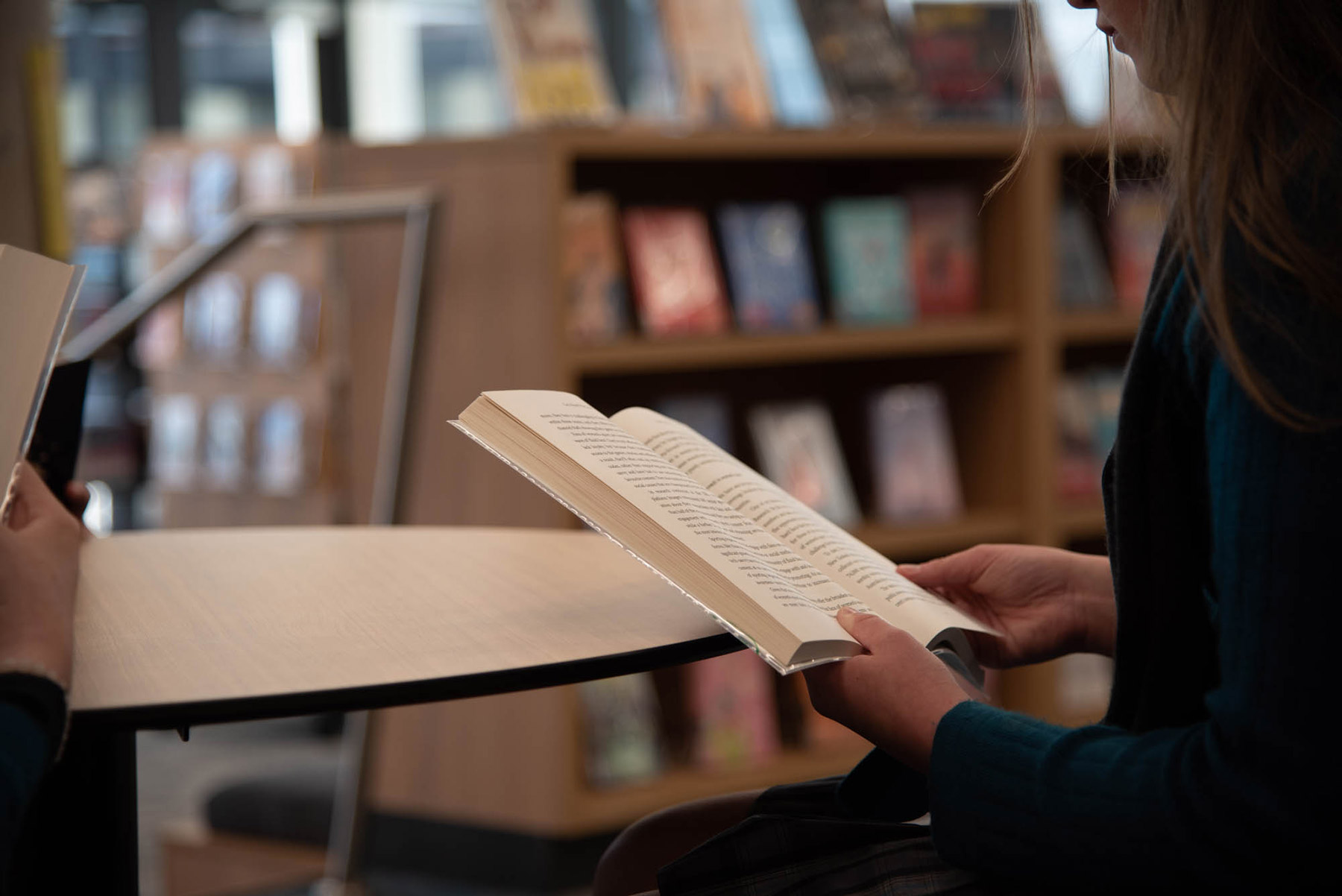
Philosophy as both a discipline and a way of thinking is a key part of the identity of Preston High School. Philosophical thinking in our program involves analysing concepts, generating ideas and evaluating thinking. Questions are at the core of philosophy, these big questions are contestable, important and come from all a wide range of disciplines and areas of life. At Preston High School students are introduced to philosophy through the Da Vinci subject. This introduces philosophical thinking as a distinct, useful, and powerful form of inquiry that can be used across all subjects and areas of life. Students are also able to engage in philosophy as an elective, and VCE subject. Students at Preston have also formed multiple philosophy clubs that are available to all students, before and after school as well as during lunchtime. We believe that studying philosophy empowers young people to be prepared for the diverse range of complex problems that are involved with being an active citizen in the 21st-century.
Engineering: Design and Technology
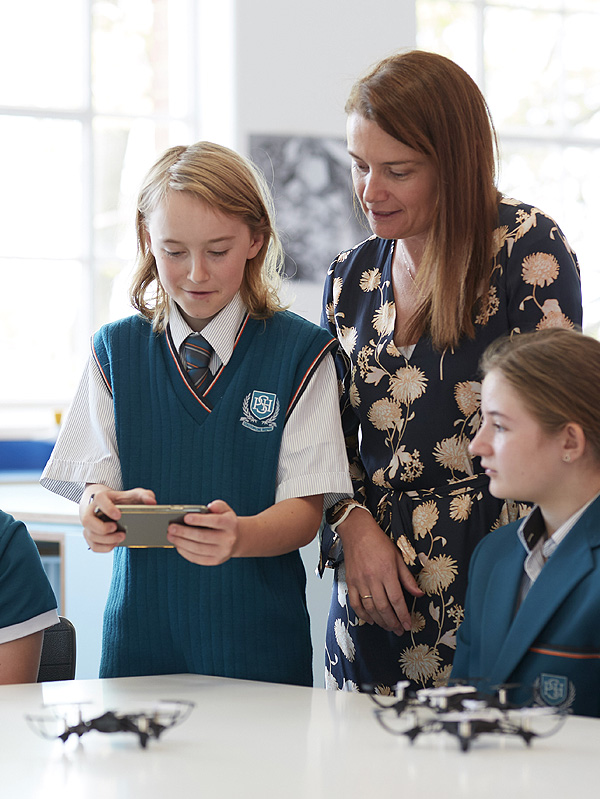
In Engineering: Design and Technology students follow the PHS Design Thinking cycle to create innovative solutions to real life problems. Students will combine concepts from a range of learning areas and will apply digital technologies such as Computer Aided Design (CAD), 3D printing, and laser cutting to ideate, prototype, and eventually create physical products in collaboration with classmates. Students will learn the skills of rapid prototyping and the benefits of using an iterative design approach.
Media
Students investigate media’s far-reaching presence in today’s world and how audiences consume, read, create and produce media products. Students explore how media crafts aspects of ‘reality’ through both advertising and narrative storytelling. They experiment with conveying ideas through images, targeting specific groups of people with messages and ideas. They engage with how the film industry operates to understand the individual roles who collaborate on media products and explore a range of film industry factors like financing, bias and technology to analyse how these contribute to the construction of representations for specific audiences.